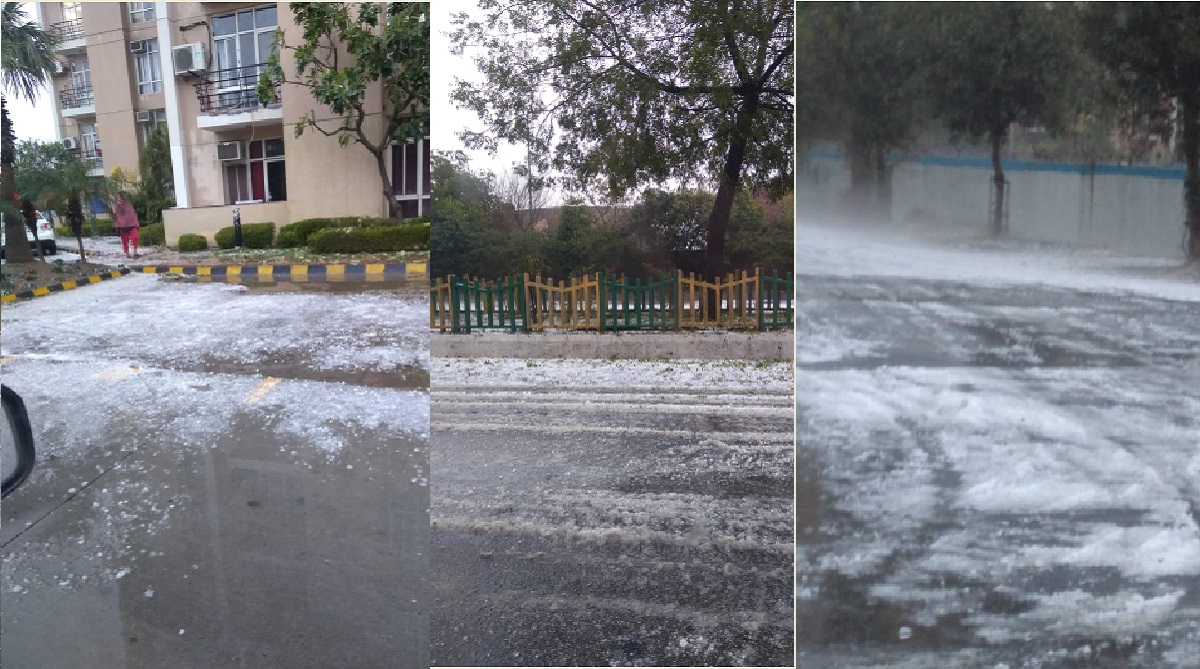
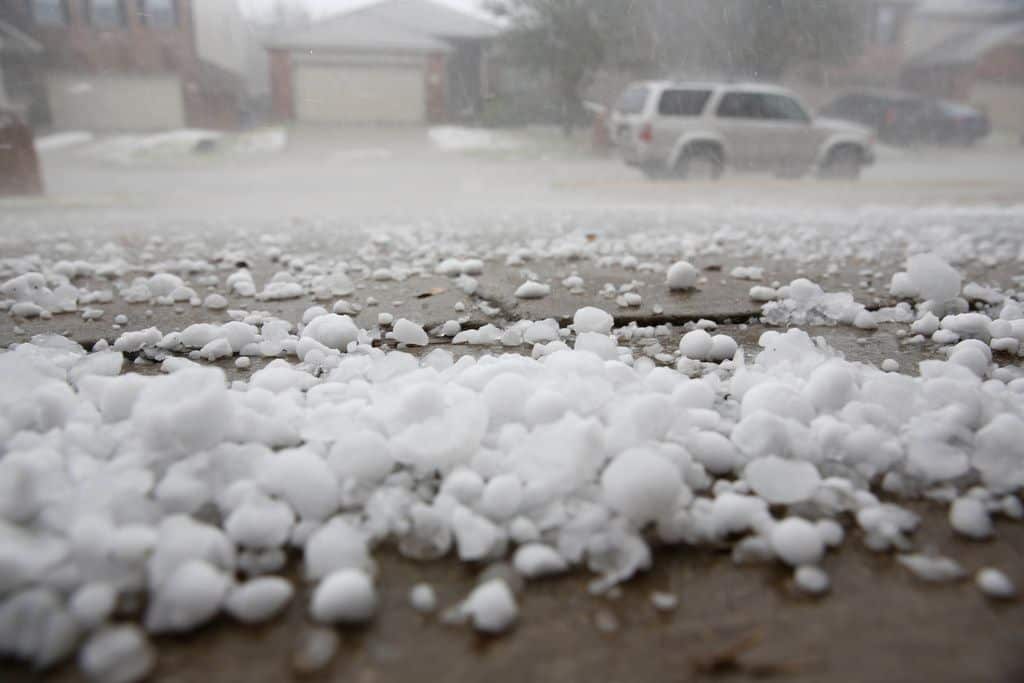
Hail is a fascinating and complex weather phenomenon that has captivated humans for centuries. According to
Hail - Wikipedia, hail is a form of precipitation that occurs when updrafts in thunderstorms carry water droplets up into the freezing level of the atmosphere, where they freeze into small balls of ice. In this article, we will delve into the world of hail, exploring its formation, types, and impact on the environment and human societies.
Formation of Hail
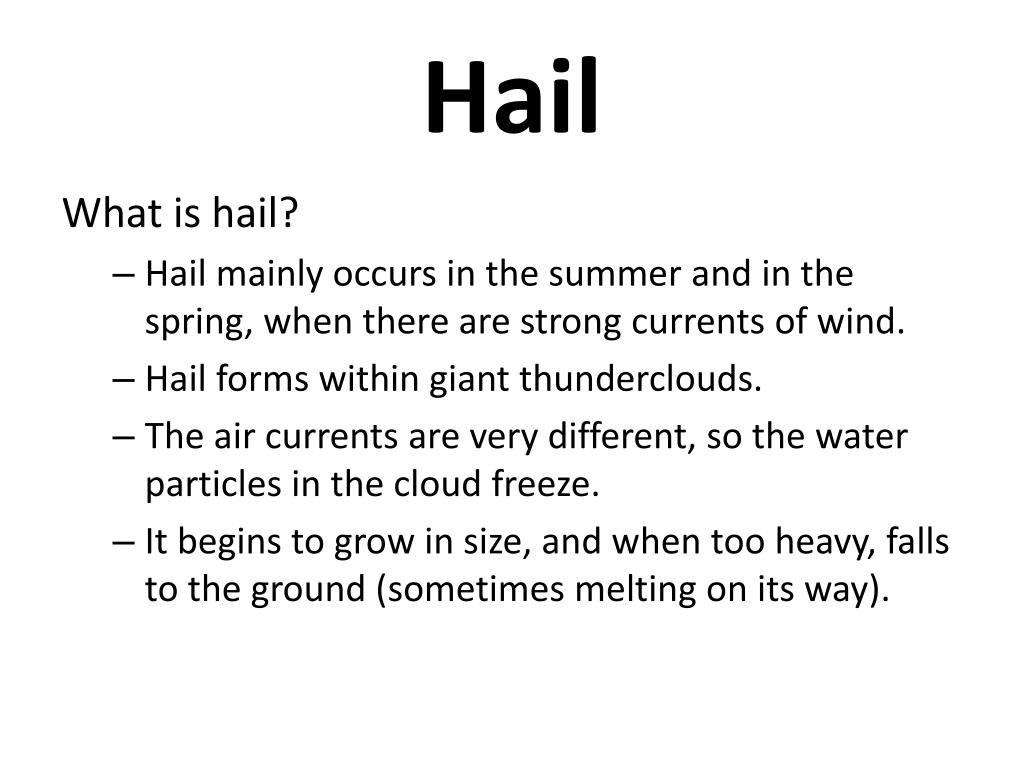
The formation of hail is a multifaceted process that involves a combination of atmospheric conditions. Hail forms when supercooled water droplets are carried upward by updrafts in thunderstorms, where they freeze into small balls of ice. As the hailstones fall through the storm cloud, they may pass through additional layers of supercooled water droplets, which freeze onto the hailstones, increasing their size. This process can repeat multiple times, resulting in hailstones of varying sizes and shapes.
Types of Hail
There are several types of hail, including:
Soft hail: Small, soft hailstones that are less than 5 mm in diameter.
Pea-sized hail: Hailstones that are between 5-10 mm in diameter.
Quarter-sized hail: Hailstones that are between 10-20 mm in diameter.
Golf ball-sized hail: Hailstones that are between 20-30 mm in diameter.
Baseball-sized hail: Hailstones that are larger than 30 mm in diameter.
Impact of Hail
Hail can have significant impacts on the environment and human societies. Hailstorms can cause:
Crop damage: Hail can damage or destroy crops, leading to significant economic losses for farmers.
Property damage: Hail can damage buildings, vehicles, and other infrastructure, resulting in costly repairs.
Disruption of transportation: Hailstorms can make roads and highways impassable, disrupting transportation and commerce.
Interesting Facts About Hail
The largest hailstone ever recorded was 8 inches (20.3 cm) in diameter and weighed 1.9 pounds (0.9 kg).
Hail can fall at speeds of up to 100 mph (160 km/h).
Hailstorms can occur anywhere in the world, but are most common in mid-latitudes.
In conclusion, hail is a fascinating and complex weather phenomenon that can have significant impacts on the environment and human societies. By understanding the formation, types, and impact of hail, we can better prepare for and respond to hailstorms. Whether you are a meteorologist, a farmer, or simply someone interested in the weather, hail is an fascinating topic that is sure to captivate and inspire. For more information on hail, visit
Hail - Wikipedia.



/100427326-56a9e2035f9b58b7d0ffaa75.jpg)